Benue State: The Food Basket of the Nation is now the Hamper of Death
Benue State, situated in North-Central Nigeria, is renowned as the “Food Basket of the Nation” due to its significant agricultural production. Established nearly 50 years ago, the state shares borders with Nasarawa State to the north, Taraba State to the east, Kogi State to the west, and Cross River State, Enugu State, and Ebonyi States to the south.
The state is primarily inhabited by the Tiv, Idoma, and Igede ethnic groups, with an estimated population of over 6 million people. Benue State, has an economy primarily driven by agriculture, with an untapped potential in “agro-processing, mining, and trade” though the state government is trying its best to change this narrative.
Agriculture is the foundation of Benue’s economy. Benue State is one of Nigeria’s leading food producers, playing a crucial role in supporting the nation’s food supply.
Major Crops, Livestock, and Fisheries
- Yam: Benue is the largest producer in Nigeria, contributing 70% of the national output.
- Rice: Key production areas include Gboko, Makurdi, and Otukpo.
- Soybeans: Utilized for oil, animal feed, and export.
- Cassava, Maize, Sesame, Oranges, and Mangoes: Other significant crops cultivated in the region.
- Cattle, Poultry, and Pig Farming: Important livestock farming activities.
- Fish: The River Benue and various fish farms provide a substantial amount of freshwater fish.
Benue possesses significant solid mineral deposits, yet mining operations in the region remain underdeveloped and underutilized. The minerals available in commercial quantities include:
- Limestone (used for cement with potential for industry)
- Gypsum
- Baryte
- Kaolin
- Gemstones
This highlights the region’s untapped potential in the mining sector.
Benue has a manufacturing and agro-processing sector, although it is currently underdeveloped. This sector comprises Benue Brewery in Makurdi, which produces “More” lager beer, and several rice mills in Wannune that are underperforming due to power issues. Despite the state’s potential for fruit processing (such as various oranges and citrus fruits, water melons, various mango varieties, guava, and cashews), there are no major fruit factories established as yet.
Benue State hosts several prominent educational institutions, including Benue State University (BSU), the University of Agriculture Makurdi (UAM), and the Federal University of Health Sciences Otukpo (FUHSO).
The state also possesses significant tourism potential that remains undeveloped. Notable scenic areas include Ikwe Wildlife Park, River Benue, River Katsina Ala, Harga Hills, Ushongo Hills, and the Tor Tiv Palace.
All of this pales in comparison to our current situation.
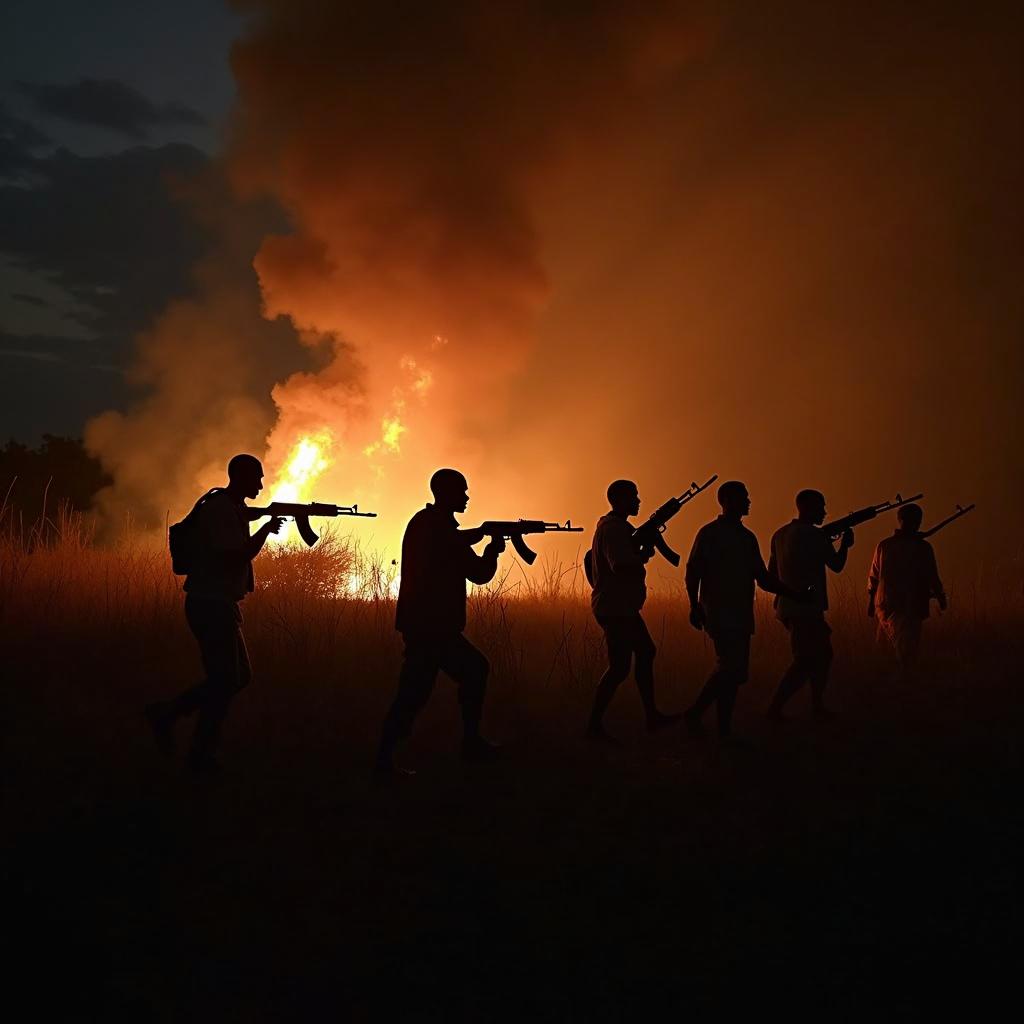
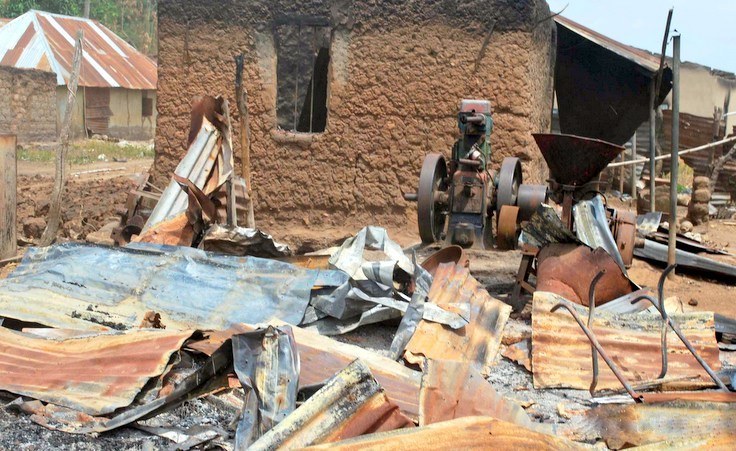
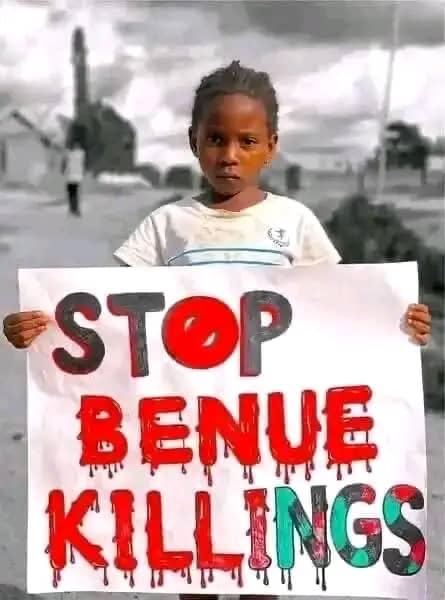
Benue is at war. Genocide has been unleashed. Insecurity is slowly destroying Benue right before our very eyes.
Benue state finds itself in the eye of storm of evil, where unknown herdsmen daily kill its citizens and the security forces are remiss to counter this scourge. Both state and federal government are either clueless, complicit or negligent. Pregnant women are hacked to death and their unborn foetus removed, young men are slaughtered, and young women are raped and butchered. The elderly are killed in their sleep as the are mobility hindered.
Needless to say, we are in dire straits. What are we to do?
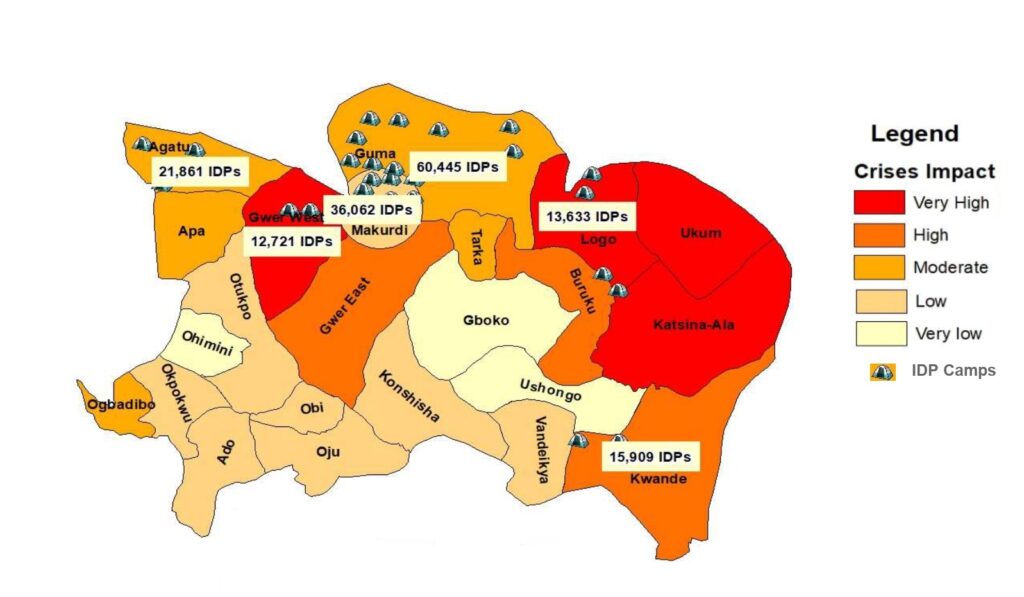
Each of Benue’s three senatorial zones, have been greatly affected by these unending crises.
Benue North-East
- LGAs: Katsina-Ala, Logo, Ukum, Konshisha, Vandeikya, Kwande, Ushongo
- Ethnic Composition: Predominantly Tiv.
Benue North-West
- LGAs: Buruku, Gboko, Tarka, Guma, Makurdi, Gwer East, Gwer West
- Ethnic Composition: Predominantly Tiv, with minority groups such as Etulo, Nyifon, Jukun, and Hausa in specific areas.
Benue South
- LGAs: Ado, Agatu, Apa, Obi, Ogbadibo, Ohimini, Oju, Okpokwu, Otukpo
- Ethnic Composition: Primarily Idoma and Igede, with smaller communities of Akweya, Igbo, and Orring.