
Human Crisis
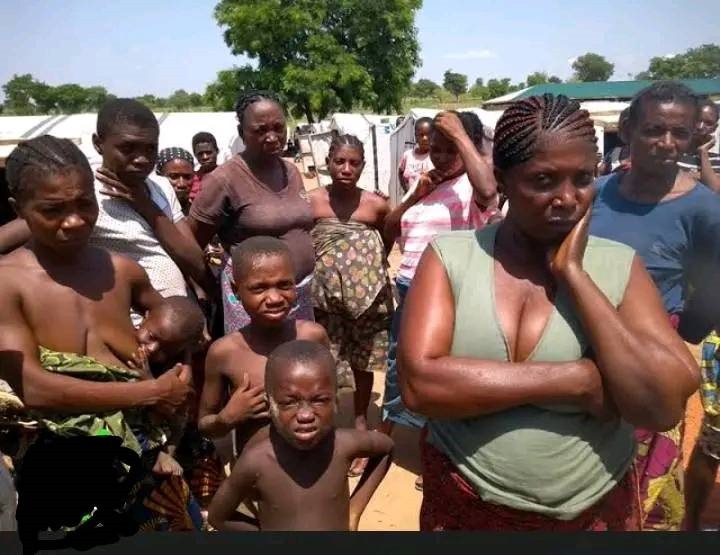
According to the Benue State Emergency Management Agency (SEMA), there are several Internally Displaced Persons (IDP) camps or Refugee camps in Benue State, Nigeria, hosting people displaced primarily due to Insecurity.
As of recent reports (2023–2024), Benue State has an estimated 1.5 to 2.5 million displaced persons i.e. refugees, with many living in official camps, host communities, or informal settlements. Imagine being a refugee in your own community, in your own country.
Below is a comprehensive list of major IDP camps or Refugee Camps in Benue State, their locations, and estimated populations (where available).
1. Makurdi Area
- Daudu 1 Camp (Guma LGA) ~ 10,000–15,000 Refugees
- Daudu 2 Camp (Guma LGA) ~ 5,000–8,000 Refugees
- Daudu 3 Camp (Guma LGA) ~ 3,000–5,000 Refugees
- Ichwa Camp (Makurdi LGA) ~ 4,000–6,000 Refugees
- Abagana Camp (Makurdi LGA) ~7,000–10,000 Refugees
2. Guma Local Government Area (LGA)
- Ugba Camp ~ 2,000–3,000 Refugees
- Agasha Camp ~ 1,500–2,500 Refugees
3. Logo Local Government Area (LGA)
- Anyiin Camp ~ 8,000–12,000 Refugees
- Mbawa Camp ~ 3,000–5,000 Refugees
4. Agatu Local Government Area (LGA)
- Obagaji Camp ~ 5,000–7,000 Refugees
- Aila Camp ~ 2,000–3,000 Refugees
5. Kwande Local Government Area (LGA)
- Tse-Yandev Camp ~ 1,500–2,500 Refugees
6. Gwer-West Local Government Area (LGA
- Naka Camp ~ 2,000–4,000 Refugees
7. Katsina-Ala Local Government Area (LGA)
- Sai Camp ~ 1,000–2,000 Refugees
Displacement Crisis: Africa’s Hidden Refugee Emergency
Scale of Displacement
- 1 million displaced (UNOCHA, 2024) – larger than Gaza or Sudan’s Darfur crisis but underreported.
- IDP /Refugee Camps: Official Camps: more than12camps (e.g., Daudu) – overcrowded, no proper sanitation.
Informal Settlements: Schools, churches, and open fields turned into shelters.
Living Conditions in Camps
- Shelter: Families sleep in open fields or under tarpaulin sheets.
- Sanitation: 1 toilet per 500 people (leading to cholera outbreaks).
- Food Rations: One meal per day in most camps.
Urban Strain
- Makurdi’s population doubled since 2017 due to displacement, causing housing shortages and crime spikes.
Massacres and Atrocities
- Death Toll: Over 25,000 killed since 2010.
- Methods: Beheadings, burning victims alive, mutilation.
Physical and Psychological Trauma
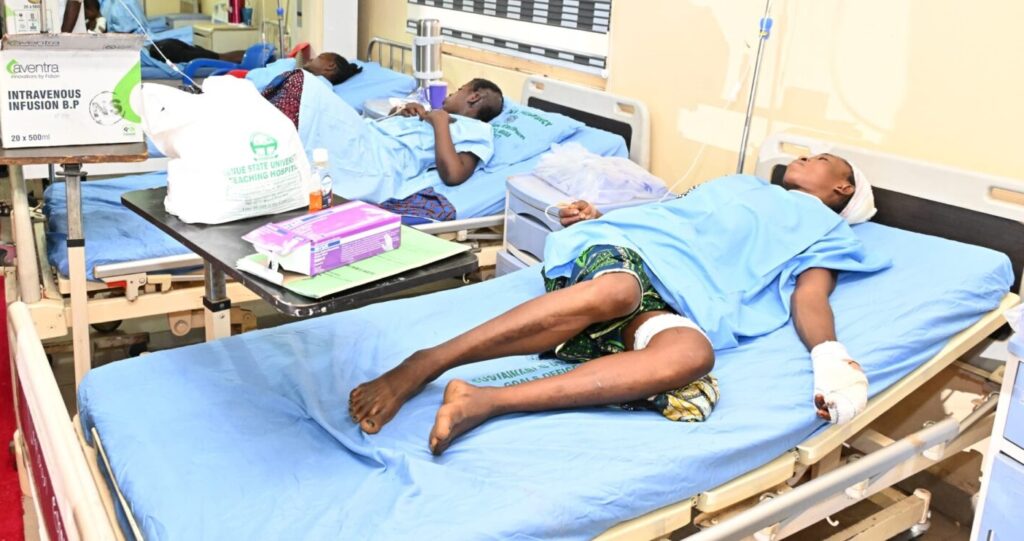
- Survivors: Many suffer gunshot wounds, machete cuts, and burns with no access to healthcare.
- Mental Health Crisis:
- PTSD rates in IDP camps estimated at 60%+ (Doctors Without Borders, 2023).
Suicides reported among displaced men who lost families and farms.
Food Insecurity: From “Food Basket” to Famine Risk
Agricultural Collapse
- 80% of farmers displaced (FAO, 2023) – Benue produces 70% of Nigeria’s yam and soybeans.
- 2023 & 2024 Crop Loss: 40% drop in food production → national price hikes.
Hunger in IDP Camps
- Acute Malnutrition: 30% of children under 5 in camps are malnourished (UNICEF).
- Starvation Deaths: At least 50 reported in 2023 (mostly elderly and children).
Health Catastrophe: Disease and Broken Systems
Medical Infrastructures Destroyed
- Rural Clinics Abandoned: 50+ health centres non-functional in attack zones.
- No Access to Care: Pregnant women give birth in bushes while fleeing.
Disease Epidemics
- Cholera: 1,200+ cases in 2023 (WHO).
- Malaria: 60% of IDP children infected (Red Cross).
- HIV/TB Spread: Displacement disrupts treatment programs.
Education Under Attack: A Lost Generation
Schools Destroyed or Closed
- More than 300 Primary and secondary schools shut (Benue SUBEB, 2024).
- Children in Camps: 75% out of school (Save the Children).
Long-Term Consequences
- Illiteracy Surge: A whole generation missing education → future instability.
- Child Labor/Sex Trafficking: Many displaced girls forced into early marriage or prostitution.
Economic Devastation: Poverty and Collapse
Economic Devastation: Poverty and Collapse
- Loss of Income: Over 500,000 farmers displaced → no harvests, no income.
Market Collapse: Local food markets (e.g., Zaki Biam Yam Market) now ghost towns.
Unemployment & Crime Surge
- Youth Turn to Crime: Rising armed robbery, kidnapping in Makurdi.
- Investors Flee: No businesses want to operate in high-risk zones.
Social & Political Consequences
Ethnic and Religious Tensions
- Polarization: Tiv/Idoma vs. Fulani narratives fuels hate speech.
- Militia Growth: Benue State Livestock Guards (vigilantes) accused of extrajudicial killings.
Government Failure & Federal Neglect
- No Military Protection: Army focuses on NE (Boko Haram), leaving Benue vulnerable.
- Failed Policies: Anti-Open Grazing Law (2017) poorly enforced.
Environmental Damage
- Farmland Turned to Grazing Fields: Herdsmen occupy abandoned lands, degrading the soil.
Humanitarian Response (And Why It’s Failing)
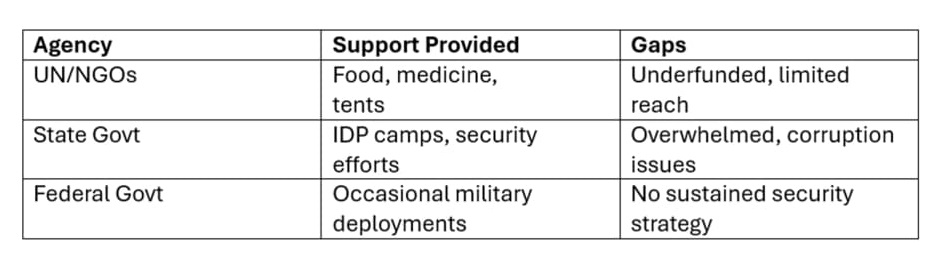
Why the Crisis Persists:
- No International Attention (Unlike Ukraine/Sudan).
- No Accountability (No prosecutions of killer herdsmen).
- No Economic Recovery Plan for displaced farmers.
Future Projections (If Nothing Changes)
If Nothing is done to stem the tide of the Crises, by 2026, this will be the state of things:
- 3 million+ displaced if attacks continue.
- Total collapse of Benue’s agriculture → national food crisis.
- Rise of warlords as militias take over security.
Final Verdict: A Silent Genocide
The armed herdsmen crisis in Benue meets 5 out of 8 UN genocide indicators:
- Killing members of a group (farmers, Tiv/Idoma people).
- Causing serious bodily harm.
- Deliberate infliction of conditions to destroy the group (starvation, displacement).
- Preventing births (through trauma and displacement).
- Forcibly transferring children (via abductions).